

Using lead responsibly is critical to achieving a sustainable and low carbon future
2 Billion
Lead is a widely available natural resource with more than 2 billion tonnes of lead ores still in the ground
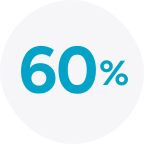
It is the world’s most recycled metal with more than 60% of production originating from end-of-life products

Lead use is essential for many products critical for delivering a sustainable future including hybrid and electric vehicles and renewable energy storage solutions
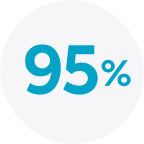
Collection and recycling rates typically exceed 95% in many regions
The carrier properties of lead metal mean that it is essential for the circular economy and the recovery and recycling of critical raw materials from end-of-life products
It is the world’s most recycled metal with more than 60% of production originating from end-of-life products
Lead use is essential for many products critical for delivering a sustainable future including hybrid and electric vehicles and renewable energy storage solutions
Collection and recycling rates typically exceed 95% in many regions
The carrier properties of lead metal mean that it is essential for the circular economy and the recovery and recycling of critical raw materials from end-of-life products
Material stewardship
Our industry is continuously improving to ensure that lead is manufactured and used responsibly to minimize environmental and health impacts.
Recycling
Lead can be infinitely recycled with no loss of performance. No other metal has the impressive end-of-life recycling rates of lead.
Lifecycle assessment
Life cycle assessments demonstrate that high recycling rates and the impressive recycled content of many lead-containing products significantly reduces their cradle to grave environmental footprint.
Resource availability
Global mineral resources and the circularity of closed-loop recycling mean that lead will be available for centuries to come.